

What is the origin of HGH 36IU?
Leave a message

As a supplier of HGH 36IU, I often get asked about the origin of this remarkable product. HGH, or Human Growth Hormone, is a peptide hormone that stimulates growth, cell reproduction, and cell regeneration in humans and other animals. It is a 191-amino acid, single-chain polypeptide hormone produced by the somatotroph cells in the anterior pituitary gland. The "36IU" refers to the International Unit, which is a standard measure of the biological activity of a substance, in this case, HGH.
The Biological Origin of HGH
The story of HGH begins in the human body itself. The anterior pituitary gland, a small gland located at the base of the brain, is responsible for the synthesis and secretion of HGH. This gland is a master regulator of many bodily functions, and HGH plays a crucial role in growth and development during childhood and adolescence.
During the early stages of life, the pituitary gland releases HGH in a pulsatile manner, with the highest levels occurring during sleep. This hormone then travels through the bloodstream to various tissues and organs, where it binds to specific receptors on the surface of cells. Once bound, HGH activates a series of intracellular signaling pathways that ultimately lead to growth and development.
In addition to its role in growth, HGH also has important metabolic effects. It promotes the breakdown of fats, increases muscle mass, and regulates blood sugar levels. These effects make HGH a valuable therapeutic agent for a variety of medical conditions, including growth hormone deficiency, Turner syndrome, and chronic kidney disease.
The Development of Synthetic HGH
While HGH is naturally produced in the human body, it was not until the 1980s that scientists were able to develop a synthetic form of the hormone. Prior to this, the only source of HGH was from the pituitary glands of human cadavers. This method of obtaining HGH was not only limited in supply but also carried the risk of transmitting diseases such as Creutzfeldt-Jakob disease.
In 1981, scientists at Genentech, a biotechnology company, successfully cloned the gene for human growth hormone using recombinant DNA technology. This breakthrough allowed for the large-scale production of synthetic HGH in bacteria and yeast cells. The synthetic form of HGH, known as recombinant human growth hormone (rhGH), is identical in structure and function to the natural hormone produced in the human body.
The development of synthetic HGH revolutionized the treatment of growth hormone deficiency and other medical conditions. It provided a safe and reliable source of the hormone that was free from the risks associated with cadaver-derived HGH. Today, synthetic HGH is widely used in the medical field and is also available for research purposes.
The Production Process of HGH 36IU
As a supplier of HGH 36IU, I am involved in the production and distribution of this product. The production process of HGH 36IU is complex and requires strict quality control measures to ensure the safety and efficacy of the hormone.
The first step in the production process is the cloning of the gene for human growth hormone. This is done using recombinant DNA technology, which involves inserting the gene into a plasmid vector and then introducing the vector into a host cell, such as a bacterium or yeast. The host cell is then grown in a culture medium under controlled conditions to allow for the expression of the gene and the production of the hormone.

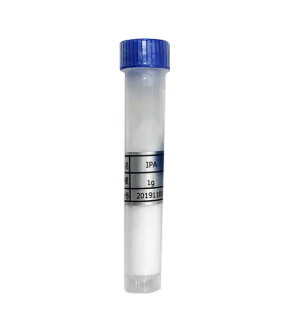
Once the hormone has been produced, it is purified using a series of chromatography and filtration techniques. This removes any impurities and ensures that the final product is of high purity and quality. The purified hormone is then formulated into a liquid or powder form and packaged in vials or pens for distribution.
Quality control is an essential part of the production process to ensure that the HGH 36IU meets the highest standards of safety and efficacy. This involves testing the product at every stage of production to ensure that it meets the specifications for purity, potency, and stability. The final product is also tested for sterility and endotoxin levels to ensure that it is safe for human use.
The Benefits and Uses of HGH 36IU
HGH 36IU has a wide range of benefits and uses. In the medical field, it is primarily used to treat growth hormone deficiency in children and adults. It can also be used to treat other medical conditions, such as Turner syndrome, Prader-Willi syndrome, and chronic kidney disease.
In addition to its medical uses, HGH 36IU is also popular among athletes and bodybuilders for its performance-enhancing effects. It can help to increase muscle mass, strength, and endurance, as well as reduce body fat. However, it is important to note that the use of HGH for performance enhancement is illegal in most sports and is considered a form of doping.
HGH 36IU is also used in anti-aging and wellness clinics. It is believed to have anti-aging effects, such as improving skin elasticity, reducing wrinkles, and increasing energy levels. However, the scientific evidence for these claims is limited, and more research is needed to confirm the effectiveness of HGH for anti-aging purposes.
Related Products and Their Links
In addition to HGH 36IU, there are other related products that may be of interest. For example, Xanthine Sodium Salt Powder Cas 1196-43-6 is a chemical compound that has various applications in the pharmaceutical and biochemical industries. Another product is Amino Acid Derivative Fmoc-Ile-OH Cas 71989-23-6, which is used in peptide synthesis. And for those interested in weight loss, New Weight Loss Cagrilintide Peptide Powder Cas 1415456-99-3 is a promising new product.
Contact for Purchase and Collaboration
If you are interested in purchasing HGH 36IU or any of the related products mentioned above for legitimate research or medical use, please feel free to contact me. I am committed to providing high-quality products and excellent customer service. Whether you are a researcher, a medical professional, or a distributor, I look forward to discussing your needs and how we can work together.
References
- Melmed, S. (2009). Acromegaly. New England Journal of Medicine, 360(24), 2455-2468.
- Rosenfeld, R. G., & Hintz, R. L. (2007). Growth hormone therapy in children and adolescents. Hormone Research in Paediatrics, 68(Suppl 3), 103-110.
- Rudman, D., Feller, A. G., Nagraj, H. S., Gergans, G. J., Lalitha, P. Y., Goldberg, A. F., Schlenker, R. A., Cohn, L. H., Rudman, I. W., & Mattson, D. E. (1990). Effects of human growth hormone in men over 60 years old. New England Journal of Medicine, 323(1), 1-6.


