

How does stress influence IGF levels?
Leave a message

Stress is like an unwelcome guest that most of us have to deal with at some point in our lives. Whether it's work pressure, relationship problems, or financial stress, it can have a far - reaching impact on our bodies. One area that's not often talked about is how stress influences Insulin - like Growth Factor (IGF) levels. As an IGF supplier, I've seen firsthand the importance of understanding this relationship.
First off, let's quickly go over what IGF is. IGF is a group of proteins that are similar in structure to insulin. There are two main types: IGF - 1 and IGF - 2. These growth factors play a crucial role in cell growth, proliferation, and differentiation. They're essential for normal development during childhood and also have important functions in adults, like maintaining muscle mass, bone density, and overall tissue repair.
Now, let's dive into how stress messes with IGF levels. When we're under stress, our bodies release a hormone called cortisol. Cortisol is often referred to as the "stress hormone," and it's part of our body's natural fight - or - flight response. In short bursts, cortisol can be helpful. It gives us a quick energy boost, increases our focus, and helps us deal with immediate threats.
However, chronic stress leads to consistently high levels of cortisol in the body. And here's where things start to go wrong for IGF. High cortisol levels can suppress the production of Growth Hormone (GH) in the pituitary gland. Since GH is a major regulator of IGF - 1 production in the liver and other tissues, a decrease in GH means less IGF - 1 is being made.
Think of it like a chain reaction. Stress causes high cortisol, high cortisol reduces GH, and reduced GH results in lower IGF - 1 levels. This can have a bunch of negative effects on our health. For example, lower IGF - 1 levels are associated with decreased muscle growth and strength. If you're someone who works out regularly, this can be really frustrating because it becomes harder to build and maintain muscle mass.
Bone health is also affected. IGF - 1 plays a key role in bone remodeling, which is the process of breaking down old bone tissue and building new bone. With lower IGF - 1 levels due to stress, bone density can decrease over time, increasing the risk of fractures and osteoporosis, especially in older adults.
Mental health isn't spared either. IGF - 1 has been shown to have neuroprotective effects. It helps with the growth and survival of neurons in the brain. When stress lowers IGF - 1 levels, it may contribute to cognitive decline, memory problems, and even an increased risk of depression and anxiety.
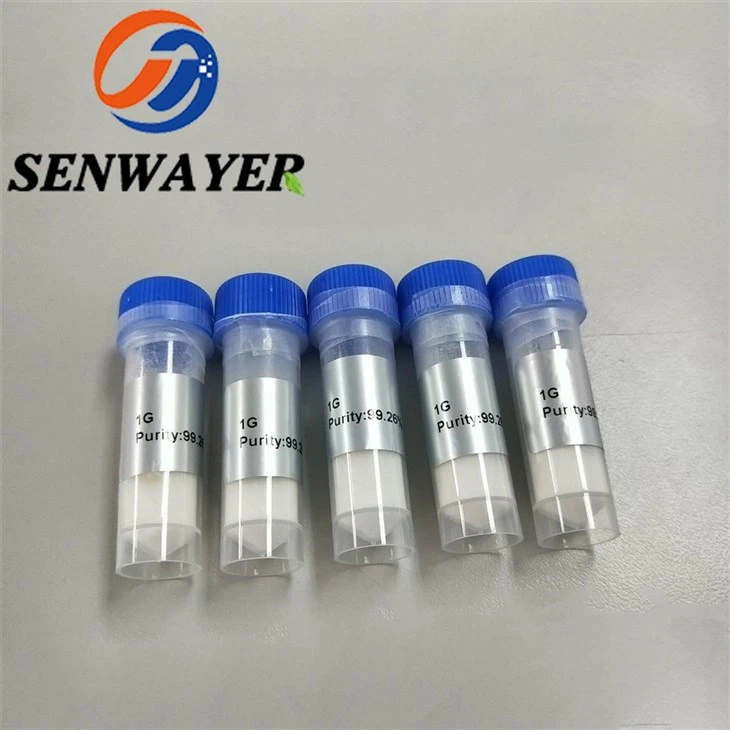
But it's not all doom and gloom. There are ways to counteract the negative effects of stress on IGF levels. One of the most effective ways is through exercise. Regular physical activity, especially resistance training like weightlifting, can stimulate the production of GH and, in turn, increase IGF - 1 levels. Even a short, intense workout a few times a week can make a difference.
Diet also plays a big role. Eating a balanced diet rich in protein, healthy fats, and complex carbohydrates can support IGF - 1 production. Foods like lean meats, fish, nuts, and whole grains are great choices. And don't forget about getting enough sleep. Sleep is when our bodies do a lot of repair and recovery work. Lack of sleep can increase cortisol levels and further disrupt the GH - IGF - 1 axis.
As an IGF supplier, I'm always on the lookout for new products that can help maintain healthy IGF levels. For instance, New Weight Loss Cagrilintide Peptide Powder Cas 1415456 - 99 - 3 has shown some interesting potential in supporting overall metabolic health, which is closely related to IGF function.
Another product that's caught my eye is Skin Care Peptide Oligopeptide - 68 CAS 1206525 - 47 - 4. While it's mainly known for its skin - rejuvenating properties, it also has some connections to the body's growth and repair processes, which could indirectly impact IGF levels.
And then there's Xanthine Sodium Salt Powder Cas 1196 - 43 - 6. It's involved in various physiological processes and may have a role in modulating hormone levels, including those related to the GH - IGF axis.
If you're interested in learning more about how to maintain optimal IGF levels or want to explore our range of products, I encourage you to reach out. Whether you're a researcher, a fitness enthusiast, or someone just looking to improve their overall health, we're here to help. Contact us to start a conversation about your needs and how our products can fit into your health and wellness plan.
References
- Sapolsky, R. M., Romero, L. M., & Munck, A. U. (2000). How do glucocorticoids influence stress responses? Integrating permissive, suppressive, stimulatory, and preparative actions. Endocrine reviews, 21(1), 55 - 89.
- Rudman, D., Feller, A. G., Nagraj, H. S., Gergans, G. A., Lalitha, P., Goldberg, A. F.,... & Mattson, D. E. (1990). Effects of human growth hormone in men over 60 years old. The New England journal of medicine, 323(1), 1 - 6.
- Daughaday, W. H., & Rotwein, P. (1989). Insulin - like growth factors I and II. Peptide, messenger ribonucleic acid, and gene structures, serum, and tissue concentrations. Endocrine reviews, 10(3), 68 - 91.


