

How does PEG - MGF affect the endocrine system?
Leave a message

PEG - MGF, or Pegylated Mechano Growth Factor, is a synthetic form of a splice variant of insulin - like growth factor 1 (IGF - 1). It has gained significant attention in the fields of sports science, anti - aging research, and regenerative medicine. As a PEG - MGF supplier, I am often asked about how this peptide affects the endocrine system. In this blog post, I will explore the complex relationship between PEG - MGF and the endocrine system based on current scientific knowledge.
Understanding the Endocrine System
The endocrine system is a network of glands that secrete hormones into the bloodstream. These hormones act as chemical messengers, regulating various physiological processes such as growth, metabolism, reproduction, and mood. Key glands in the endocrine system include the pituitary gland, thyroid gland, adrenal glands, pancreas, and gonads. Hormones are released in response to specific stimuli and are tightly regulated through feedback mechanisms to maintain homeostasis in the body.
How PEG - MGF Works
PEG - MGF is a modified version of MGF, which is produced locally in response to muscle damage or mechanical stress. The pegylation process involves attaching a polyethylene glycol (PEG) molecule to MGF, which extends its half - life in the body. When PEG - MGF is introduced into the body, it binds to specific receptors on muscle cells. This binding activates a series of intracellular signaling pathways that lead to increased protein synthesis, cell proliferation, and differentiation. As a result, muscle growth and repair are promoted.
Effects on the Pituitary Gland
The pituitary gland is often referred to as the "master gland" because it controls the function of many other endocrine glands. There is limited direct evidence on how PEG - MGF affects the pituitary gland. However, since PEG - MGF promotes muscle growth, it may have an indirect impact on the pituitary's secretion of growth hormone (GH). In a normal feedback loop, the body senses the state of muscle mass and growth. When muscle growth is enhanced by PEG - MGF, the hypothalamus, which regulates the pituitary gland, may adjust the secretion of growth hormone - releasing hormone (GHRH) and somatostatin. If the body perceives an increase in muscle growth, it may reduce the production of GHRH or increase the secretion of somatostatin, thus reducing the release of GH from the pituitary gland.
On the other hand, some researchers hypothesize that the short - term effects of PEG - MGF on muscle repair and growth may stimulate the pituitary gland to release more GH initially. This could be due to the body's attempt to support the enhanced anabolic processes in the muscles. However, more research is needed to precisely understand these complex interactions.
Interaction with the Thyroid Gland
The thyroid gland produces hormones, primarily thyroxine (T4) and triiodothyronine (T3), which are crucial for regulating metabolism. Muscle growth and metabolism are closely related. When PEG - MGF promotes muscle growth, the metabolic rate of the body is likely to increase. This increased metabolic demand may signal the thyroid gland to secrete more T3 and T4.
Thyroid hormones play a role in regulating the availability of substrates for energy production and protein synthesis, which are essential processes during muscle growth. Higher levels of thyroid hormones can enhance the sensitivity of muscle cells to the anabolic effects of PEG - MGF. In return, the increased muscle mass due to PEG - MGF can maintain a relatively high metabolic rate, which keeps the thyroid gland active.
Influence on the Adrenal Glands
The adrenal glands produce hormones such as cortisol, adrenaline, and aldosterone. Cortisol is a stress hormone that has catabolic effects on muscle tissue, breaking down proteins and reducing muscle mass. Adrenaline is involved in the body's "fight - or - flight" response, increasing heart rate and blood pressure. Aldosterone regulates sodium and potassium balance in the body.
PEG - MGF's impact on the adrenal glands is complex. On one hand, by promoting muscle growth and repair, it can counteract the catabolic effects of cortisol. When muscle cells are in an anabolic state, they may be more resistant to the breakdown caused by cortisol. On the other hand, if the body experiences stress during the process of muscle growth (such as intense exercise often associated with using PEG - MGF for performance enhancement), the adrenal glands may release more cortisol. However, the overall effect of PEG - MGF may be to shift the balance towards an anabolic state, reducing the net catabolic impact of cortisol.
Relationship with the Pancreas
The pancreas secretes insulin and glucagon, which are responsible for regulating blood glucose levels. Muscle growth requires a significant amount of energy and nutrients, including glucose. When PEG - MGF promotes muscle growth, the demand for glucose by muscle cells increases. This may lead to an increase in insulin secretion from the pancreas.
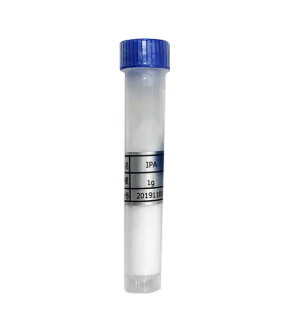
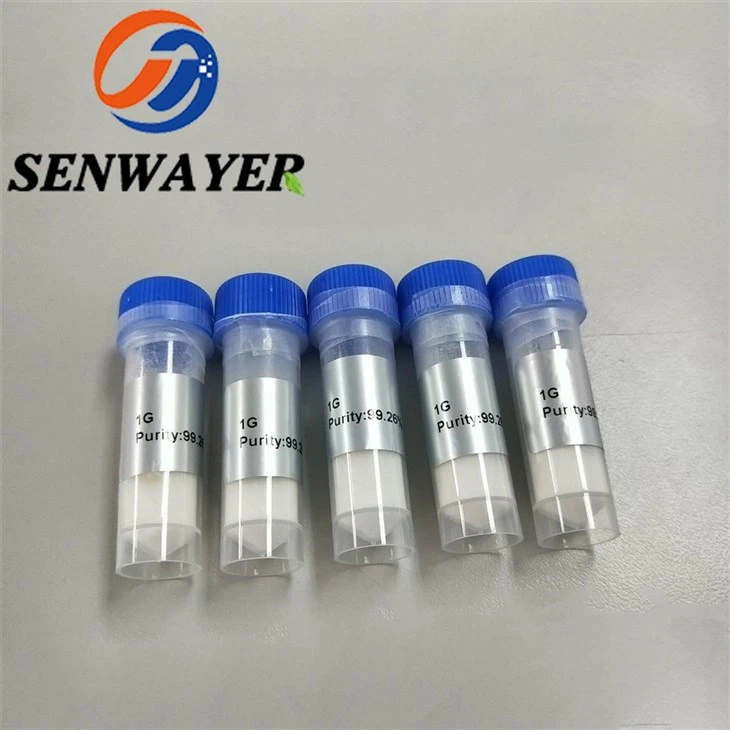
Insulin plays a crucial role in transporting glucose into muscle cells and promoting protein synthesis. It also inhibits the breakdown of proteins and fats, creating an anabolic environment. PEG - MGF may enhance the sensitivity of muscle cells to insulin, allowing for more efficient uptake of glucose and amino acids. As a result, the pancreas may need to secrete more insulin to meet the increased metabolic demands of growing muscle tissue.
Impact on the Gonads
In both males and females, the gonads (testes in males and ovaries in females) produce sex hormones. Testosterone in males and estrogen in females are important for muscle development, bone health, and sexual function.
PEG - MGF may have an impact on the gonads through its effects on muscle growth. In males, increased muscle mass is often associated with higher testosterone levels. The enhanced anabolic environment created by PEG - MGF may stimulate the testes to produce more testosterone. In females, the relationship is more complex. While muscle growth can have a positive impact on overall hormonal balance, excessive use of PEG - MGF may disrupt the normal menstrual cycle and estrogen production.
Ethical and Legal Considerations
It is important to note that the use of PEG - MGF in some contexts, such as in competitive sports, is prohibited by anti - doping agencies. Moreover, in many regions, the sale and use of PEG - MGF for non - research purposes are regulated. As a supplier, we strictly adhere to all relevant laws and regulations. We supply PEG - MGF only for legitimate research purposes, not for human consumption or unregulated performance - enhancing applications.
Related Products
If you are interested in other peptide products, we also offer a variety of high - quality peptides. You can check out Skin Care Peptide Oligopeptide - 68 CAS 1206525 - 47 - 4, which has potential applications in the skin care industry. Another product is New Weight Loss Cagrilintide Peptide Powder Cas 1415456 - 99 - 3, which is being studied for its weight - loss properties. We also supply Xanthine Sodium Salt Powder Cas 1196 - 43 - 6, a high - purity product with various research applications.
Conclusion
PEG - MGF has a multi - faceted impact on the endocrine system. It can influence the function of major endocrine glands, including the pituitary, thyroid, adrenal glands, pancreas, and gonads, either directly or indirectly. These interactions are complex and often involve multiple feedback loops. As a PEG - MGF supplier, we are committed to providing high - quality products for research purposes. If you have any questions about PEG - MGF or our other products, or if you are interested in purchasing for legitimate research, please feel free to contact us to start a procurement discussion.
References
- Bhasin, S., Storer, T. W., Berman, N., Callegari, C., Clevenger, B., Phillips, J.,... & Bunnell, T. J. (1996). The effects of supraphysiologic doses of testosterone on muscle size and strength in normal men. The New England Journal of Medicine, 335(1), 1 - 7.
- Goldspink, G. (2003). The role of mechano - growth factor in muscle plasticity. Journal of Anatomy, 202(1), 33 - 43.
- Rudman, D., Feller, A. G., Nagraj, H. S., Gergans, G. J., Lalitha, P. Y., Goldberg, A. F.,... & Mattson, D. E. (1990). Effects of human growth hormone in men over 60 years old. The New England Journal of Medicine, 323(1), 1 - 6.


